How Stress Is Redefining Neuro-Nutraceutical and Mood Food Formulations
Neuro-nutraceuticals are often discussed in neat boxes. Brain. Mood. Focus. Calm. Those words are easy to use. They are also rarely how stress behaves in reality.
Inside formulation rooms, stress is not treated as a single pathway. It builds slowly. It moves around. Some days it looks mental. Other days, it looks physical. Most of the time, it is both together. For this reason, Neuro-nutraceutical development has turned away from the classical isolated targets to a more holistic and connected ingredient thinking.
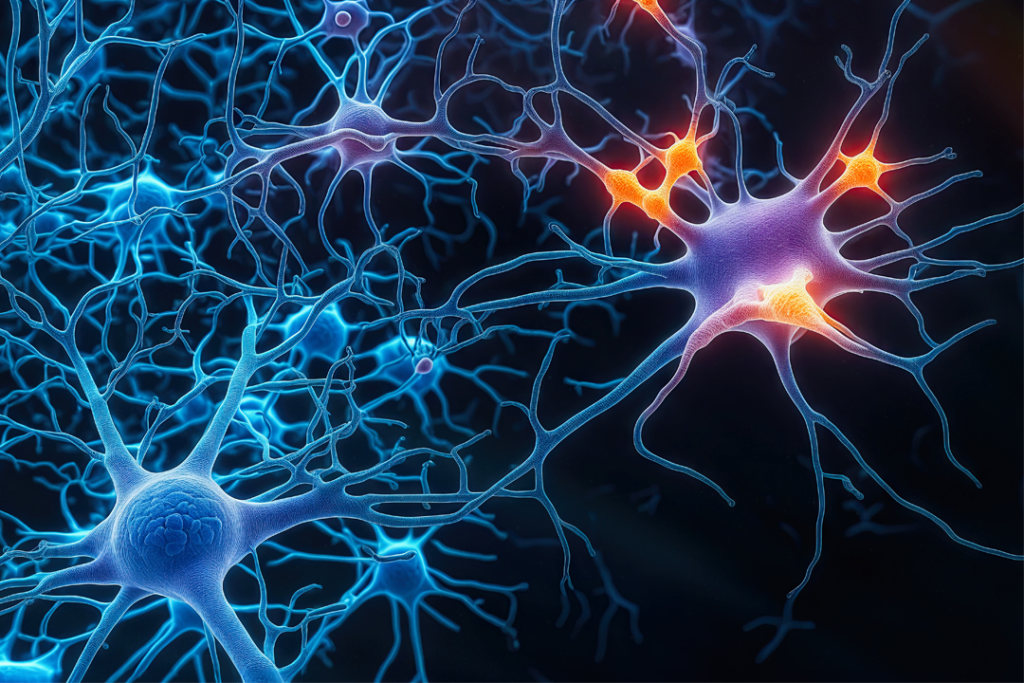
Mood Food fits into this shift quietly. It is not about stimulation. It is not about instant signals. It is about steady nutritional support that can sit inside everyday routines without forcing the body in one direction.
Stress Does Not Stay in One Place
One thing formulation teams notice early is that stress does not stay confined to the nervous system. Prolonged stress usually shows up somewhere else first. Tight muscles. General discomfort. Fatigue that does not resolve quickly.
Those physical responses affect mood. They affect sleep. They affect recovery. Ignoring them creates products that feel incomplete.
This is why Neuro-nutraceutical stacks increasingly include ingredients that address physical tension alongside neurological balance. Mood Food ideas support this direction by treating stress support as something ongoing, not reactive.
Ingredients such as Rhuleave-K® are often reviewed in this context.. Not really as a brain remedy, but merely as a means to lessen the physical stress that comes with long-term stress. When the body gets relaxed more quickly, it is also much easier to keep one’s emotional state balanced.
Oxidative Load Is Part of the Conversation
Another factor that keeps coming up is oxidative pressure. Long-term stress is often discussed alongside oxidative load and slower recovery.
Curcumin-based ingredients such as BCM-95® are frequently included where antioxidant support overlaps with neurological wellness. These ingredients are not used for fast impact. They are included because they behave predictably when used over time.
In Mood Food-aligned formulations, this matters. Products designed for regular use cannot rely on ingredients that feel aggressive or unstable. They need components that work quietly in the background.
Adaptogens Are Used for a Reason
Adaptogens are not new. Ashwagandha and bacopa have been used for a long time. What has changed is how they are positioned.
In Neuro-nutraceutical formulations, adaptogens are rarely added for quick results. They are chosen because they support stress response gradually. They help smooth the system rather than push it.
Within Mood Food concepts, adaptogens act as anchors. They allow formulations to stay suitable for daily intake. They also help balance stacks that include antioxidants or physical comfort ingredients.
From a formulation point of view, adaptogens help connect different stress responses without dominating the product.
Why Stacks Have Replaced Single Ingredients
Single-ingredient Neuro-nutraceutical products still exist, but they are no longer the default. Stress does not work through one mechanism. Recovery does not come from one pathway.
Stacks that provide calmness and focus are widely accepted since they enable the different ingredients to perform their respective functions. Stacks for recovery from stress are based on the fact that emotional fatigue and physical tension usually appear together.
Mood Food positioning makes these stacks easier to justify. Instead of being framed as “solutions,” they are framed as part of daily nutrition.
As stacks become more common, formulation challenges change. Ingredient interaction matters more than ingredient count.
Compatibility Is Where Things Break
Adding ingredients is easy. Making them work together is not.
Botanical extracts behave differently when combined. Texture changes. Solubility shifts. Processing becomes unpredictable. These problems appear fast during scale-up.
This is why extraction quality and blending control matter so much in Neuro-nutraceutical development. Ingredient partners such as Arjuna Natural focus on standardised extracts and controlled blending so multiple components can coexist without destabilising the formulation.
When compatibility is managed properly, product teams gain flexibility. They can adjust stacks, expand ranges, and introduce new formats without rebuilding everything.
Built for Repetition, Not Impact
Neuro-nutraceutical and Mood Food products are rarely designed for occasional use. They are meant to be taken regularly. That changes how success is measured.
Ingredients are judged by how they behave over time. Do they stay consistent? Do they tolerate processing? Do they interact predictably?
High-impact effects matter less than reliability. This approach supports longer product lifecycles and reduces disruption as portfolios grow.
Operational Stability Often Matters More Than Innovation
During the daily routine of formulation, the pressure to maintain the product’s operation without any problem very often overcomes the demand for a constant newness. The change of every ingredient, even the smallest one, impacts sourcing, processing, documentation, and timeframes. For Neuro-nutraceutical and Mood Food products that are intended to be sold for a long time, continuous reformulation becomes a substantial operational burden. As a result, many teams are silently selecting ingredients with the same behavior every time. Predictable extracts lead to less friction internally, prevent unplanned changes, and enable the development teams to have a confident plan for the future. When formulations are stable, the decisions can be made in a considered way rather than in a fast manner supporting both product consistency and long-term portfolio management.
Integration Is the Direction
The Neuro-nutraceutical category is not expanding outward. It is folding inward.
Emotional balance, physical comfort, oxidative support, and recovery are increasingly treated as connected outcomes of stress. Mood Food underlines this by positioning brain support in daily nutrition instead of isolating it.
With the development of the category, the most popular recreation of the stress-related effects may be those that are perceived as stable and comfortable, rather than complicated or confrontational.
FAQs:
- What are neuro-nutriceuticals generally meant for?
The principal purpose of Neuro-nutriceuticals is to assist the body in keeping the nervous system healthy during periods of stress, similar to the recovery phase.
- How do Mood Food and Neuro-nutraceuticals interrelate?
Mood Food considers emotional support to be an integral part of daily nutrition, whereas Neuro-nutraceuticals offer the raw materials that are the basis of the mood, stress response, and nervous system balance functions.
- Why is stress central to Neuro-nutraceutical development?
Stress affects mental, physical, and recovery systems together. - What is the contribution of adaptogens in these preparations?
Adaptogens are gradually assisting in building up one’s immunity to stress through repeated usage.
- What is the reason for the inclusion of antioxidant components?
They help manage oxidative pressure linked to prolonged stress.
- How does physical comfort relate to mood support?
Reducing physical tension can support emotional balance. - Are Neuro-nutraceutical products usually multi-ingredient?
Most formulations combine several ingredients to address overlapping stress responses. - What is a stress-recovery stack?
A stress-recovery stack combines ingredients supporting calm and physical relaxation. - Why is consistency important in these products?
Consistency allows formulations to behave the same way across production. - Do delivery formats matter?
Yes. Formats affect stability and overall performance. - Why are blends used in Neuro-nutraceuticals?
Blends allow complementary ingredients to work together. - Why is controlled blending important?
It reduces instability when botanical extracts are combined. - Can these stacks change over time?
Yes. They are often adjusted as product ranges evolve. - Are Mood Food products designed for long-term use?
Yes. Regular use is a core consideration. - Why do brands work with Arjuna Natural here?
Because consistent extracts and blending control support stable Neuro-nutraceutical formulations.