Building Long-Term Ingredient Systems That Respect Both Nature and Manufacturing Reality
When Sustainability Becomes a Technical Requirement, Not Just a Message
In many product discussions, sustainability appears as a positioning layer.
It is often introduced after formulation decisions — something to support branding or communication. But for teams working closely with botanical ingredients, sustainability begins much earlier.
It starts with sourcing.
It continues through extraction.
And it directly influences how an ingredient behaves during production.
This is where the role of a sustainable botanical extract manufacturer becomes more defined. The system operates as an environmentally responsible entity which maintains manufacturing standards instead of functioning as a raw materials supplier.
Because in botanical extraction, sustainability is not separate from performance. It shapes it.
Botanical Materials Are Living Inputs, Not Fixed Ingredients
Unlike synthetic inputs, plant materials are influenced by their environment.
Soil quality, seasonal changes, cultivation practices — all of these affect how a plant develops and, eventually, how its extract performs.
A responsible sustainable botanicals extracts manufacturer does not attempt to eliminate this variability. Instead, the focus shifts to managing it through controlled and thoughtful processes.
This includes:
- sourcing botanicals from monitored cultivation systems
- maintaining traceability from origin to extraction
- preserving plant integrity during processing
- ensuring minimal environmental impact
At companies like Arjuna Natural, sustainability is approached as “harmony between humanity and nature,” integrating ecological and operational balance into extraction systems.
This mindset changes how ingredients are developed — making sustainability part of the process, not an addition to it.
Gentle Extraction Preserves More Than Just Actives
Extraction is often viewed as a technical step focused on isolating compounds.
But in sustainable systems, extraction becomes a balance between precision and preservation.
A structured sustainable botanicals extracts manufacturer uses methods designed to:
- retain the natural composition of the plant
- avoid harsh processing conditions
- maintain consistency across batches
Arjuna Natural, for example, develops standardized extracts through in-house processes that preserve herb integrity while ensuring consistent quality .
This approach ensures that the extract remains both effective and aligned with sustainable processing principles.
Standardisation and Sustainability Work Together
Sustainability and standardisation appear to be distinct targets when people first observe them.
The first goal of environmental responsibility, which requires organizations to protect nature, conflicts with the second goal, which requires organizations to maintain operational consistency. Their implementation, however, proves that their functions work in mutual support.
Standardisation enables botanical extracts to maintain their active compound levels at established standards throughout different production runs. Without this control, variability increases — leading to inefficiencies, waste, and reformulation.
A reliable sustainable botanicals extracts manufacturer uses standardisation to:
- reduce batch-to-batch variation
- minimise raw material waste
- maintain predictable formulation behaviour
For instance, BCM-95® (Curcugreen®) is a standardised curcumin extract developed by combining curcuminoids with turmeric essential oils, enhancing bio-efficacy while maintaining a natural composition .
This balance between consistency and natural integrity is central to sustainable extraction.
Moving Toward Full Botanical Systems
The process of developing botanical ingredients shows a slow but certain transition toward new methods.
The majority of modern formulations use complete phytochemical systems which mirror the natural plant composition instead of isolating individual chemical compounds.
A thoughtful sustainable botanicals extracts manufacturer supports this approach by working with:
- full-spectrum extracts
- controlled phytochemical profiles
- balanced compositions
This reduces the need for excessive processing and helps maintain the natural relationships between compounds.
In the long term, this approach supports both formulation stability and sustainability goals.
Clinical Development Without Compromising Natural Integrity
Modern botanical ingredients are expected to meet both scientific and sustainability standards.
This has led to the development of clinically evaluated extracts that maintain their natural composition while delivering consistent results.
Arjuna Natural has developed several such systems, including:
- BCM-95® (Curcugreen®) – a bioavailable turmeric extract
- Shoden® – a standardised Ashwagandha extract with defined active content
- Rhuleave-K® – a formulation combining turmeric and other actives using SPEEDTECH® for uniform distribution
These ingredients are designed to integrate into formulations without introducing variability, while still aligning with natural extraction principles.
For a sustainable botanicals extract manufacturer, this combination of science and sustainability becomes essential.
Manufacturing Systems That Reduce Environmental Impact
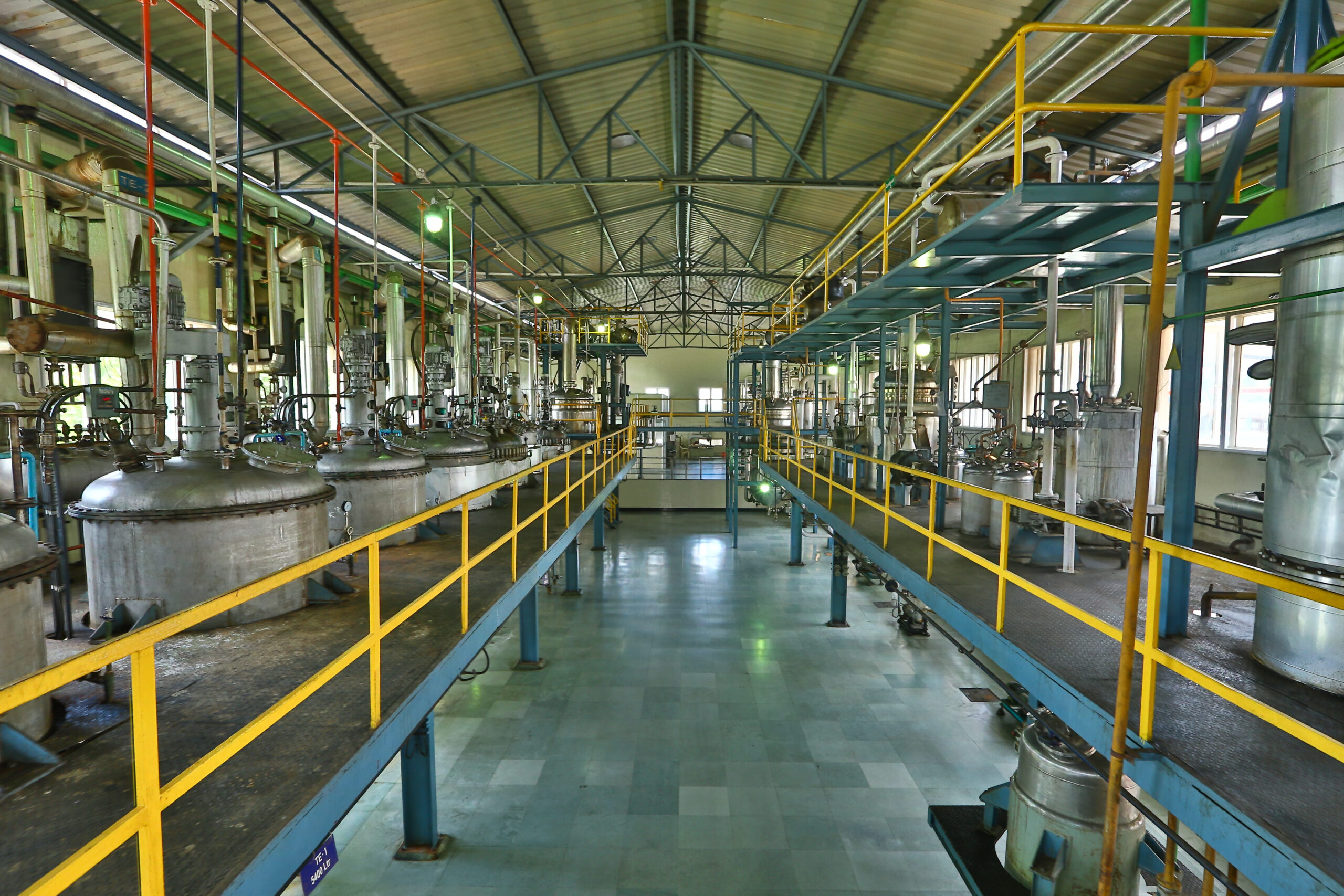
Sustainability does not end at extraction. It extends into how manufacturing systems are structured.
A global sustainable botanicals extracts manufacturer operates with systems designed to:
- reduce resource consumption
- optimise processing efficiency
- minimise waste generation
- maintain consistent output
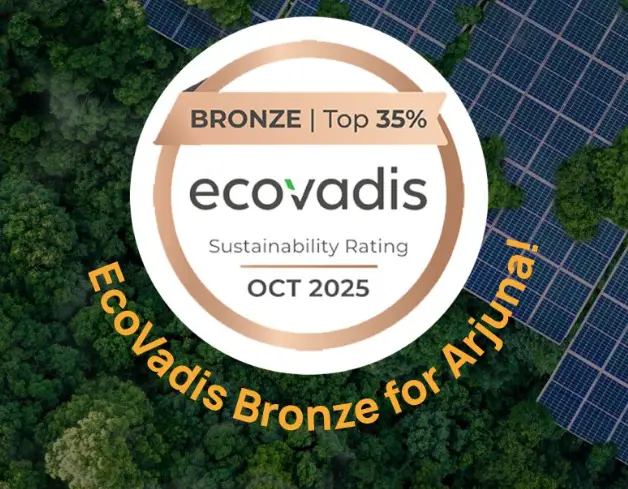
Arjuna Natural integrates sustainability into its operations by adopting eco-friendly practices and reducing environmental impact across its processes .
These practices ensure that ingredient production remains aligned with both environmental and industrial expectations.
Traceability and Transparency as Core Requirements
In global nutraceutical markets, transparency has become a requirement rather than an advantage.
A structured sustainable botanicals extracts manufacturer provides:
- traceable sourcing data
- consistent documentation
- defined quality parameters
- stable standardisation ranges
This level of clarity supports regulatory alignment and helps formulation teams maintain control over their ingredient systems.
When traceability is built into the process, sustainability becomes verifiable rather than theoretical.
Stability as a Long-Term Sustainability Indicator
Sustainability is often measured in environmental terms, but in manufacturing, stability is equally important.
An ingredient that remains consistent over time reduces:
- reformulation efforts
- production delays
- material waste
A dependable sustainable botanicals extracts manufacturer focuses on maintaining:
- consistent extract composition
- stable processing behaviour
- repeatable performance across production cycles
This type of stability supports long-term product development and reduces operational inefficiencies.
A Practical View of Sustainable Botanical Partnerships
Working with botanical ingredients requires more than sourcing.
It requires systems that can balance:
- environmental responsibility
- extraction precision
- formulation consistency
A reliable sustainable botanicals extracts manufacturer provides that balance through:
- controlled extraction methods
- standardised ingredient systems
- scalable and responsible manufacturing
Companies like Arjuna Natural, with decades of experience in standardized botanical extracts and global supply, demonstrate how sustainability and science can operate together within a single system .
In a market where both performance and responsibility matter, sustainable extraction is no longer optional. It is foundational.
FAQs
1. What does a sustainable botanicals extracts manufacturer do?
A sustainable botanical extracts manufacturer develops plant-based ingredients through processes which achieve environmental sustainability while maintaining their product quality.
2. Why is sustainability significant in botanical extraction?
Sustainability ensures the replenishment of organic materials while conceiving the long-run availability of greater-quality botanical materials.
3. How does standardisation support sustainability?
The process of standardisation creates uniformity which results in less waste production because it creates standardized product characteristics.
4. What are full-spectrum botanical extracts?
The process of creating full-spectrum extracts involves extracting all natural plant compounds which results in a complete retention of the plant’s chemical composition.
5. How does BCM-95® support sustainable formulation?
The development of BCM-95® uses natural turmeric elements which combine curcuminoids and essential oils to produce a product that maintains its original properties.
6. What role does traceability play in sustainable extraction?
Traceability enables tracking and verification of botanical sourcing and processing throughout the supply chain.
7. Are clinically studied botanical extracts sustainable?
Yes, with controlled and accountable practice, scientific validity is combined with sustainable practice.
8. How do manufacturers reduce environmental impact?
The manufacturers achieve their environmental impact reduction through three main methods which include their efficient extraction systems and their responsible sourcing methods and their waste reduction practices.
9. Why is stability important in sustainable ingredients?
Stable ingredients reduce the need for reformulation and minimise resource waste over time.
10. How does Arjuna Natural support sustainable botanical extraction?
Arjuna Natural supports sustainable botanical extraction through its operational practices of sourcing, extraction, and manufacturing while maintaining its operational standards for clinical botanical systems.